
Yellow skin on a newborn is one of those things parents notice but don’t always know how to read. Jaundice happens when bilirubin, a yellow pigment left over from breaking down red blood cells, builds up faster than the liver can process it. Six in ten full-term babies see this in their first week. Most of it clears on its own once the liver gets going. But when bilirubin keeps rising without a check on it, it reaches the brain and the damage it causes there doesn’t undo itself. That gap between manageable and dangerous is smaller than most parents expect.
According to doctors at Sparsh Children’s Hospital which provides NICU in Parel, “Jaundice is common enough that parents sometimes wait it out. The ones that go wrong are usually the ones where the yellowing was spreading fast, the baby was feeding poorly, and nobody got a bilirubin level checked in time.”
What Does Jaundice in Newborns Look Like?
Most parents can catch the yellowing early. Skin tone makes it harder to spot in some babies, but the pattern holds.
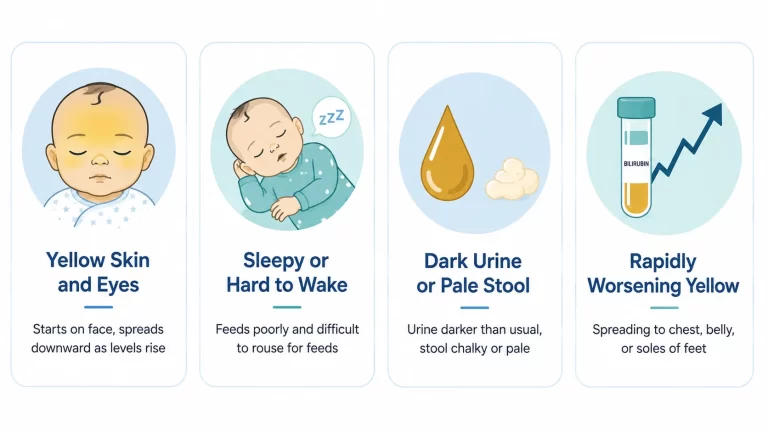
It starts at the face and moves down. By the time the belly or feet look yellow, the levels are already high. A baby who’s drowsy through feeds, passing dark urine, or producing pale stools alongside the yellowing needs that bilirubin checked the same day. None of these signs pin down a serious case by themselves. But none of them belong on a wait-and-see list either.
Sparsh’s General Pediatrics in Parel team checks bilirubin levels and decides whether a baby needs monitoring, phototherapy, or closer observation based on actual numbers, not just how the skin looks.
When Does Newborn Jaundice Become Dangerous?
Timing and bilirubin level together tell the real story. Not how yellow a baby looks.
Jaundice appearing within the first 24 hours: Day two or three is when the physiological kind shows up. Anything yellow before that needs investigation the same day. No waiting.
Bilirubin climbing sharply over a few hours: A level that’s going up fast, rather than peaking and holding steady, means the liver isn’t managing and treatment can’t be pushed back.
Still yellow after two weeks in a full-term baby: Most are clear by then. A baby still jaundiced past that point, particularly with pale stools or darker urine, needs a proper look for something underlying.
Neurological signs coming in: Back arching, a high-pitched cry, a baby going limp as the yellow gets worse. Bilirubin affecting the brain doesn’t always wait for levels to be extreme. Treat it as an emergency.
The blog on when a newborn needs NICU explains when jaundice and other newborn conditions cross into intensive care territory.
Jaundice needs a bilirubin level, not just a visual check.
Why Choose Sparsh Children's Hospital?
Sparsh Children’s Hospital has a Level 3 NICU next to its newborn care unit, so a baby who needs phototherapy, bilirubin monitoring, or a higher level of care doesn’t get referred out. Testing is done on-site. Results come back in the same visit and the team acts on them then, not at a follow-up later.
Babies on phototherapy stay under observation throughout. And parents hear actual bilirubin numbers at each check, not a vague reassurance or a cause for worry without context.
FREQUENTLY ASKED QUESTIONS:
No. Most cases are mild and clear within two weeks without treatment.
Phototherapy is the main treatment. Severe cases may need an exchange transfusion.
If yellowing spreads to the belly or feet, or the baby becomes very sleepy or won’t feed.
Yes, breast milk jaundice exists but is usually mild. Feeding more often generally helps move it along.
References
Disclaimer: This blog is for educational purposes only and does not substitute professional medical advice.