

Pediatric Operation Theatre in Parel
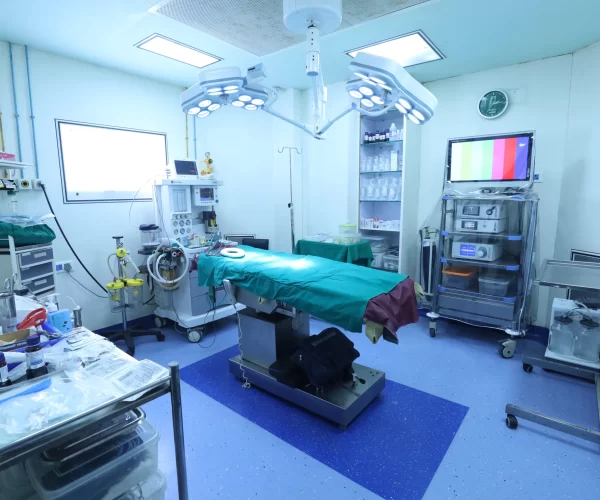
Does your child need a surgical evaluation? Consult the pediatric surgical team at Sparsh Children’s Hospital in Parel to understand the diagnosis, available treatment options and expected recovery.
What Is a Pediatric Operation Theatre?
A pediatric operation theatre is a surgical facility prepared specifically for procedures involving children. It brings together pediatric surgical equipment, age-appropriate anaesthesia, continuous monitoring and a team trained to manage the medical and emotional needs of young patients.
Children are not simply smaller versions of adults. Their anatomy, breathing patterns, temperature regulation, fluid requirements and responses to medications vary according to age and body weight. These differences become especially important during anaesthesia and surgery.
A child-focused operation theatre therefore considers:
The child’s age, weight and developmental stage
The underlying medical or congenital condition
Pediatric anaesthesia and airway requirements
Accurate fluid and medication administration
Body temperature maintenance
Pain control and recovery needs
Access to neonatal or pediatric intensive care when required
This coordinated approach allows the surgical team to prepare a treatment plan based on the individual needs of each child.
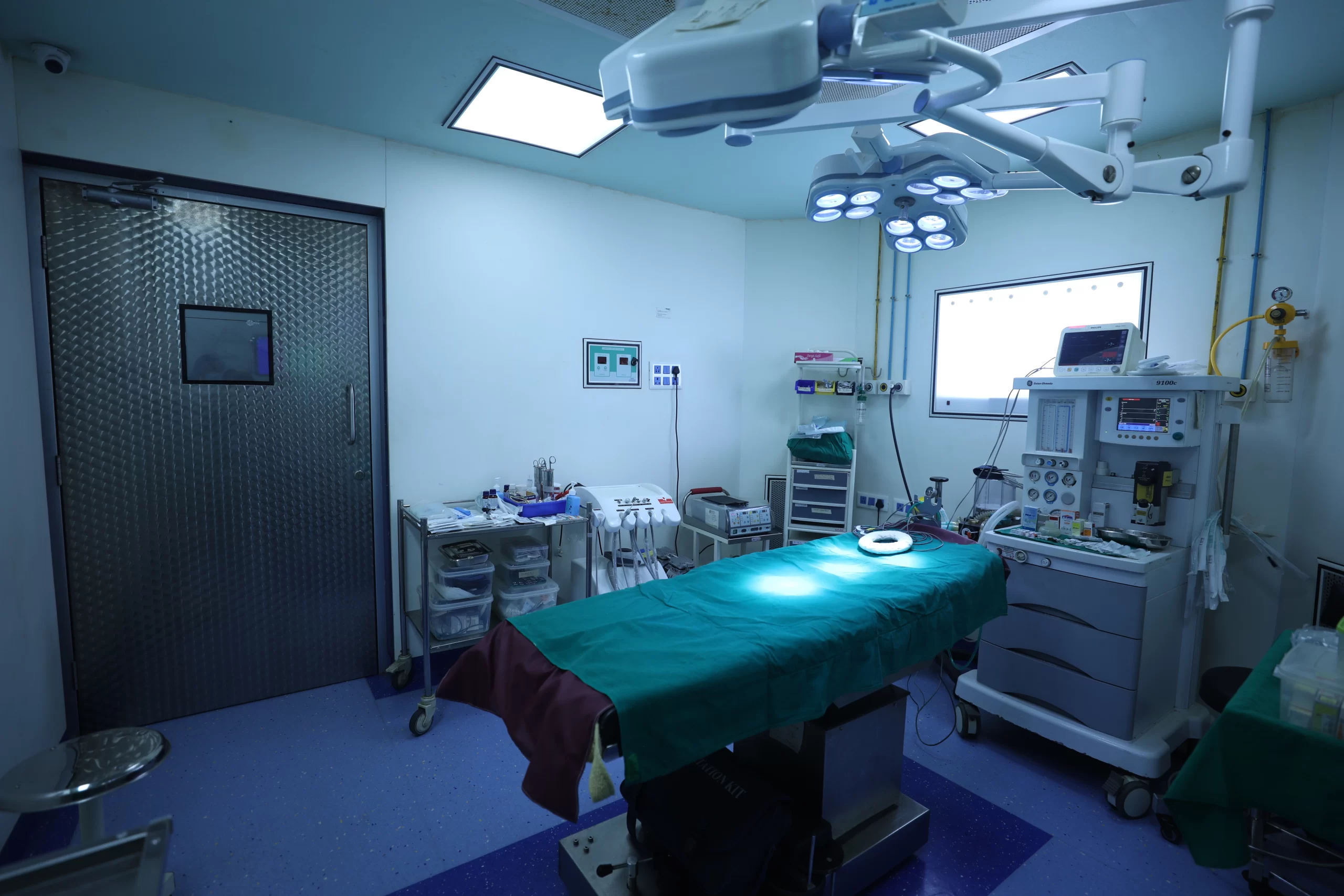
Why Do Children Need a Dedicated Operation Theatre?
Surgery can be stressful for both children and parents. A pediatric operation theatre combines surgical preparation with age-sensitive care to make the process safer and more organised.

Pediatric-Specific Surgical Planning
Before surgery, the pediatric surgeon reviews the child’s diagnosis, medical history, investigation reports and current health. The procedure, expected benefits, possible risks and recovery plan are discussed with the parents or caregivers.

Child-Focused Anaesthesia
A pediatric anaesthesiologist evaluates the child before surgery and determines the appropriate anaesthesia plan. During the procedure, the anaesthesia team closely monitors breathing, heart rate, oxygen level, blood pressure and body temperature. Children must also follow the fasting instructions provided by their surgical team, as appropriate fasting is important for safe general anaesthesia.

Accurate Medication and Fluid Delivery
Medication and fluid doses for children are calculated according to factors such as age, body weight, health status and the type of operation. Pediatric-compatible infusion systems help the team administer fluids and medicines accurately throughout the procedure.
Temperature Management
Newborns and smaller children can lose body heat more quickly during surgery. Maintaining an appropriate operating room environment and monitoring the child’s temperature are therefore important parts of pediatric perioperative care.
Pediatric Surgeries Supported at Sparsh Children’s Hospital
The pediatric surgical team evaluates newborns, infants and children who require planned or emergency procedures. Sparsh Children’s Hospital provides pediatric, neonatal and laparoscopic surgical care in Parel.
Neonatal Surgery
Some babies are born with conditions that require surgical assessment soon after birth. Neonatal surgery requires careful coordination between pediatric surgeons, neonatologists, anaesthesiologists and NICU professionals.
The presence of neonatal intensive care support helps provide continued monitoring before and after surgery, particularly for premature babies, low-birth-weight newborns and infants with complex medical needs.
Pediatric General Surgery
Pediatric general surgery may be advised for conditions affecting the abdomen, digestive system, skin, soft tissues or other parts of the body.
Conditions that may require a pediatric surgical consultation include:
- Appendicitis
- Inguinal or umbilical hernia
- Undescended testes
- Abdominal or intestinal conditions
- Cysts, swellings or soft-tissue lumps
- Abscesses requiring drainage
- Congenital abnormalities
- Injuries that require surgical treatment
The need for surgery is determined only after clinical evaluation and appropriate investigations.
Pediatric Laparoscopic Surgery
Laparoscopic surgery is a minimally invasive technique in which the surgeon performs the procedure through small incisions using a camera and specialised instruments. Depending on the child’s condition, age and surgical requirements, this approach may help reduce incision size and support post-operative recovery.
Not every condition is suitable for laparoscopic surgery. The pediatric surgeon decides between an open and minimally invasive approach after reviewing the diagnosis and the child’s overall health.
Emergency Pediatric Surgery
Certain conditions, such as acute appendicitis, intestinal obstruction, trauma or rapidly worsening abdominal symptoms, may require urgent surgical evaluation.
Having pediatric emergency services, diagnostic support, an operation theatre and critical care facilities within the same hospital can help different teams coordinate the child’s assessment and treatment without unnecessary movement between facilities. Sparsh Children’s Hospital provides medical and surgical pediatric services along with NICU, PICU and emergency care in Parel.
Safety Measures Followed During Pediatric Surgery
Surgical safety depends on careful preparation, clear communication and repeated verification throughout the procedure.
Before anaesthesia and surgery, the team may confirm:
The child’s identity
The planned procedure
The surgical site
Parent or caregiver consent
Known allergies
Fasting status
Relevant reports and imaging
Required medicines, blood products or equipment
Post-operative monitoring requirements
The WHO-World Health Organization’s Surgical Safety Checklist uses structured checks before anaesthesia, before incision and before the patient leaves the operation theatre. These checks are intended to improve team communication and reduce avoidable errors during surgery.
Infection-control practices, sterilised instruments, controlled movement within the operation theatre and appropriate cleaning protocols also form part of surgical preparation.
Pediatric Surgeries Supported at Sparsh Children’s Hospital
The pediatric surgical team evaluates newborns, infants and children who require planned or emergency procedures. Sparsh Children’s Hospital provides pediatric, neonatal and laparoscopic surgical care in Parel.
Pediatric Surgical Consultation
The surgeon examines the child, reviews symptoms and studies previous reports. Additional blood tests, ultrasound, X-ray, CT scan, MRI or other investigations may be recommended when required.
Pre-Anaesthesia Assessment
The anaesthesia team reviews the child’s medical history, allergies, previous anaesthesia experience, current medications and recent illnesses. Parents should inform the team if the child develops fever, cough, breathing difficulty, vomiting or another infection before the planned surgery.
Fasting and Medication Instructions
Parents receive specific instructions about when the child must stop eating or drinking. These instructions can vary according to age, the procedure and the type of anaesthesia.
Parents should follow only the timings provided by the treating team. Giving food or fluids after the instructed cut-off time may result in the procedure being delayed for safety reasons.
Helping the Child Feel Prepared
Simple and honest explanations can help reduce a child’s anxiety. Parents can explain that the doctors will help fix the health problem and that they will be nearby before and after the procedure.
Young children may benefit from familiar items such as a small toy, blanket or book, subject to hospital guidelines.
What Happens During the Operation?
Inside the pediatric operation theatre, the surgical, anaesthesia and nursing teams work together according to the planned procedure.
Throughout surgery, the team monitors important parameters such as:
Heart rate
Oxygen saturation
Breathing and ventilation
Blood pressure
Body temperature
Fluid balance
Response to anaesthesia
The duration of surgery varies depending on the child’s diagnosis, the complexity of the procedure and the surgical approach used.
Recovery and Post-Operative Care
After surgery, the child is transferred to a recovery area where trained professionals continue monitoring breathing, circulation, pain level, alertness and the surgical site.
Some children may return to the pediatric ward after initial recovery. Newborns or children who require closer monitoring may be shifted to the NICU or PICU, depending on their age and medical condition.
The post-operative plan may include:
Pain management
Fluids and nutrition
Medicines or antibiotics when indicated
Wound and dressing care
Activity guidance
Monitoring for fever, vomiting or breathing difficulty
Follow-up consultation
Instructions for returning to school or routine activities
Parents receive discharge instructions based on the type of operation and the child’s recovery.
Why Choose Sparsh Children’s Hospital for Pediatric Surgery in Parel?
Sparsh Children’s Hospital brings medical, surgical and critical care services for children together at its Parel facility.
NICU and PICU Support
Children who need intensive observation before or after surgery can receive care through the hospital’s neonatal and pediatric critical care services.
Coordination Between Pediatric Specialists
Pediatricians, surgeons, anaesthesiologists, neonatologists, intensivists and nurses can work together when a child has multiple medical or surgical requirements.
NICU and PICU Support
Children who need intensive observation before or after surgery can receive care through the hospital’s neonatal and pediatric critical care services.
In-House Diagnostic Support
Access to pediatric diagnostics helps the treating team evaluate the condition, plan surgery and monitor recovery.
Convenient Location in Parel
The hospital is located at Krish Royale, Acharya Donde Marg, Parel, Mumbai, making it accessible to families from Parel and nearby areas of Mumbai.
Book a pediatric surgical consultation at Sparsh Children’s Hospital in Parel for personalised guidance on your child’s operation, anaesthesia, hospital stay and recovery plan.
Frequently Asked Questions (FAQs)
A pediatric operation theatre is designed around the anatomical, physiological and emotional needs of children. It uses age-appropriate equipment, pediatric anaesthesia, weight-based medication planning and monitoring suitable for newborns, infants and older children.
Anaesthesia is planned according to the child’s age, weight, medical history and surgical procedure. A pediatric anaesthesia team evaluates the child before surgery and continuously monitors vital signs throughout the operation. Parents should share complete information about allergies, medicines, previous procedures and recent illnesses.
Follow the fasting and medication instructions given by the hospital. Bring the child’s reports, prescriptions and identification documents. Explain the procedure using calm and age-appropriate language, and inform the surgical team if the child develops fever, cough, vomiting or another illness before surgery.
Not every child requires intensive care. NICU or PICU admission may be recommended for newborns, medically fragile children, major procedures or cases requiring closer post-operative monitoring. The treating team will discuss this with the parents.
Recovery depends on the type of operation, the child’s age, the surgical approach and the underlying condition. Some children may go home after a short observation period, while others may need inpatient or intensive care. The surgeon provides condition-specific guidance before discharge.