

Pediatric Laboratory Services in Matunga Mumbai
Accurate diagnosis plays an important role in understanding a child’s health condition and planning appropriate treatment. Pediatric Laboratory Services in Matunga Mumbai provide specialised diagnostic support for infants, children and adolescents through safe testing procedures and child-focused care.
At Sparsh Children’s Hospital – Shah Nursing Home, Matunga, laboratory services are designed according to the healthcare needs of children. From routine health evaluations to diagnostic investigations during illness, accurate reports are supported through a systematic approach.
Since children have different physiological requirements compared to adults, pediatric laboratory testing requires careful sample collection, age-appropriate methods and proper medical interpretation.
What are pediatric laboratory services in Matunga Mumbai?
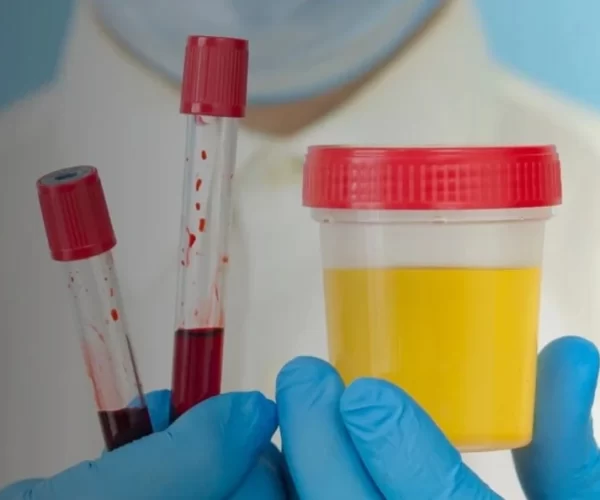
Pediatric laboratory services include specialised diagnostic tests performed for children to identify infections, nutritional deficiencies, blood disorders and other health conditions while considering their age and medical requirements.
Looking for safe and reliable diagnostic testing for your child?
Connect with Sparsh Children’s Hospital – Shah Nursing Home, Matunga for child-friendly laboratory services and accurate pediatric diagnostic support.
What Are Pediatric Laboratory Services?
Pediatric laboratory services are diagnostic testing facilities focused on the healthcare needs of newborns, children and teenagers. These services help pediatricians evaluate a child’s health, confirm diagnoses and monitor treatment progress.
Laboratory investigations may be recommended when symptoms cannot be assessed through physical examination alone. The test results provide important information about the child’s internal health status.
Pediatric laboratory testing may include:
Blood investigations
Urine tests
Infection-related tests
Hormonal evaluations
Allergy-related investigations
Preventive health screenings
Furthermore, laboratory tests are selected based on the child’s age, symptoms and clinical requirements.
Why Are Pediatric Laboratory Services Important?
Children experience continuous growth and development, which makes accurate health monitoring essential. Diagnostic testing helps doctors identify health concerns at an early stage and provide timely medical care.
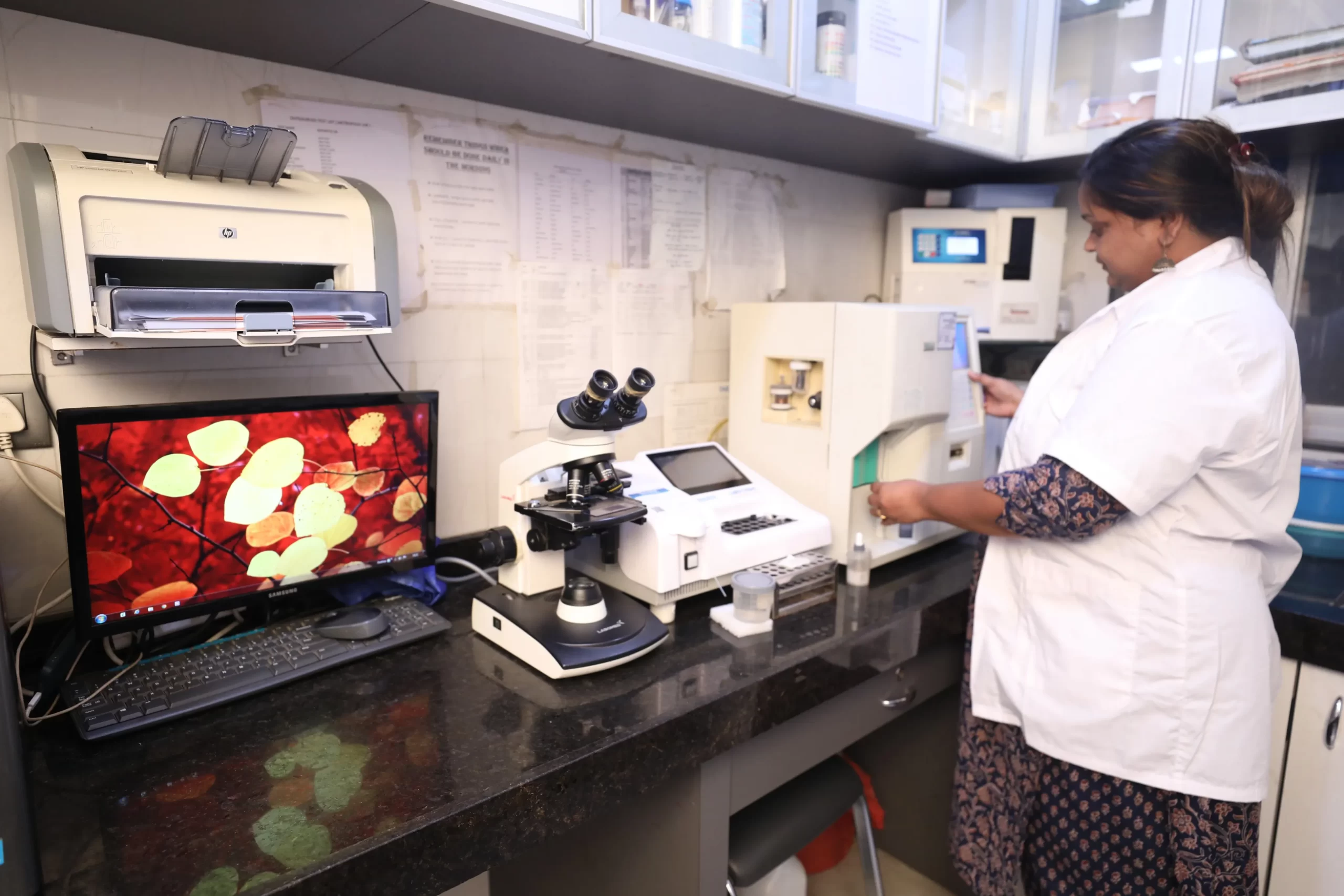
Pediatric Laboratory Services in Matunga Mumbai support:
Early detection of childhood illnesses
Monitoring of infections
Evaluation of nutritional deficiencies
Assessment of blood-related conditions
Treatment monitoring
Preventive healthcare planning
Additionally, laboratory reports help pediatricians understand how a child is responding to treatment and whether further medical evaluation is required.
Pediatric Blood Collection Services in Matunga Mumbai
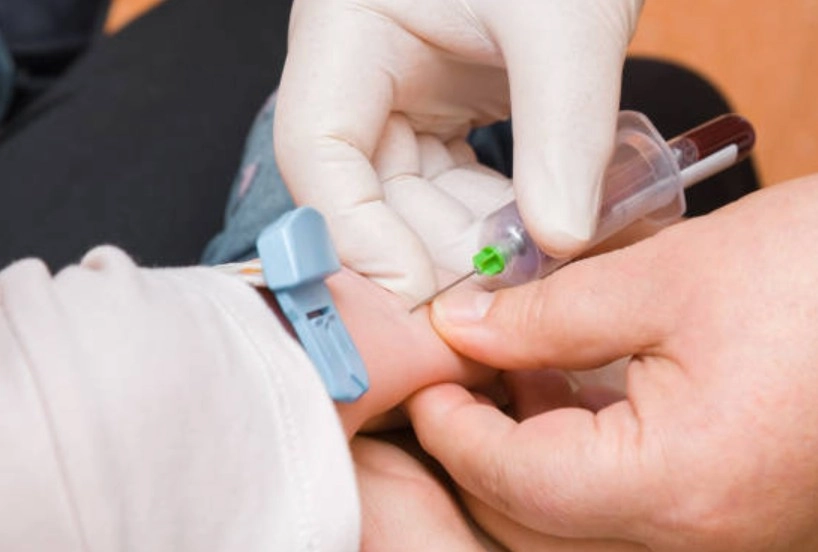
Blood collection can be a stressful experience for children and parents. Therefore, pediatric blood collection requires specialised techniques, trained healthcare staff and a child-friendly approach.
At Sparsh Children’s Hospital – Shah Nursing Home, Matunga, pediatric blood collection services are performed with attention to safety, comfort and accuracy.
The process is adapted according to the child’s:
Age
Weight
Medical condition
Required test type
Comfort level
Special care is taken while collecting blood samples from infants and young children because their veins are smaller and require careful handling.
How Is Pediatric Blood Collection Made Comfortable for Children?
Children may feel anxious about blood tests due to unfamiliar surroundings or fear of needles. A supportive approach helps reduce discomfort and improves cooperation.
During pediatric blood collection:
The procedure is explained in simple language
Children are made comfortable before sample collection
Appropriate techniques are followed based on age
Safety measures are maintained
Samples are handled carefully for accurate results
Parents may also help by staying calm, reassuring the child and following instructions provided by the healthcare team.
A comfortable blood collection experience can help children feel more confident during future medical visits.
Common Pediatric Blood Tests
A pediatrician may recommend different blood tests depending on the child’s symptoms and healthcare needs.
Common pediatric blood investigations include:
Complete Blood Count (CBC)
A Complete Blood Count helps evaluate different blood components, including red blood cells, white blood cells and platelets. It may help assess: • Anaemia • Infections • Blood-related concerns • General health status
Infection-Related Blood Tests
Blood tests may be recommended when infections are suspected. These investigations help doctors understand the severity and type of infection.
Blood Sugar Testing
Blood glucose tests may be performed when blood sugar levels need to be evaluated based on symptoms or medical history.
Vitamin and Nutritional Tests
Children with growth concerns, fatigue or nutritional deficiencies may require tests to assess vitamin and mineral levels. These investigations can help identify deficiencies that may affect growth and overall development.
Allergy Testing
Some children may require allergy-related investigations to understand possible triggers and support appropriate management.
Other Pediatric Diagnostic Tests Available
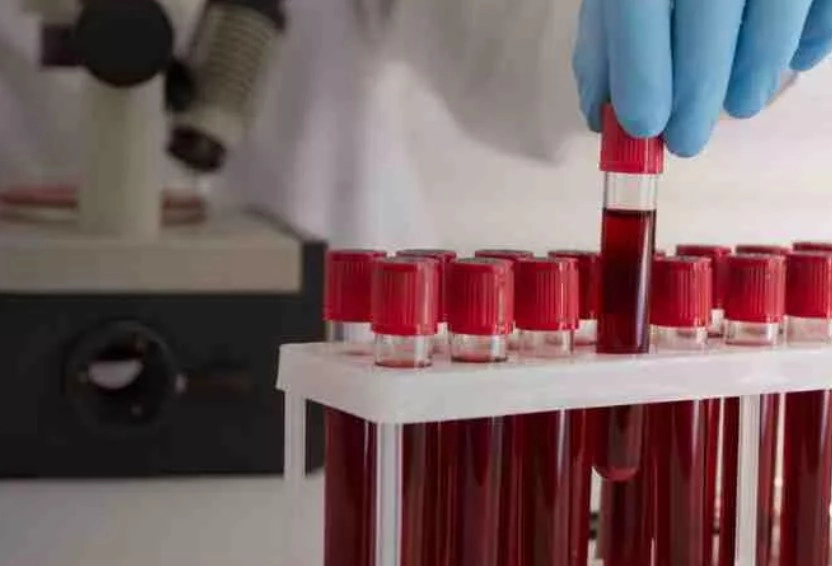
Apart from blood investigations, pediatric laboratory services may include other diagnostic evaluations based on medical requirements.
These may include:
Urine analysis
Stool examination
Infection screening tests
Hormonal tests
Metabolic evaluations
Follow-up investigations
The recommended tests are determined by the pediatrician after considering symptoms, medical history and examination findings.
When Does a Child Need Laboratory Testing?
Laboratory investigations may be advised for various health concerns, including:
Fever and Recurrent Infections
Children with persistent fever or repeated infections may require diagnostic tests to identify the underlying cause.
Growth and Nutrition Concerns
Blood tests may help evaluate nutritional deficiencies, anaemia and other factors affecting growth.
Fatigue and Weakness
Investigations may be suggested when children experience unexplained tiredness, weakness or reduced activity levels.
Chronic Health Conditions
Children requiring long-term medical care may need regular laboratory monitoring to evaluate their condition and treatment response.
Preventive Health Check-Ups
Routine testing may sometimes be recommended as part of preventive pediatric healthcare, especially when specific risk factors are present.
Child-Friendly Laboratory Experience at Shah Nursing Home, Matunga
A child-friendly environment is important for making diagnostic procedures comfortable. At Sparsh Children’s Hospital – Shah Nursing Home, Matunga, laboratory support is focused on reducing anxiety and providing safe testing experiences.
Important aspects of pediatric laboratory care include:
Trained healthcare professionals
Safe sample collection methods
Proper infection control practices
Parent guidance
Age-appropriate communication
Accurate diagnostic support
Moreover, coordinated care between pediatricians and laboratory teams helps ensure that test results are effectively used for diagnosis and treatment planning.
Need blood tests or diagnostic investigations for your child?
Choose Sparsh Children’s Hospital – Shah Nursing Home, Matunga for reliable pediatric laboratory services and safe pediatric blood collection support.
Role of Laboratory Tests in Pediatric Treatment Planning
Laboratory reports provide valuable information that supports pediatric medical decisions. Test results help doctors understand the child’s health condition and determine the most suitable treatment approach.
Based on laboratory findings, pediatricians can:
Confirm possible diagnoses
Monitor disease progression
Evaluate treatment response
Identify nutritional concerns
Plan further investigations if required
Therefore, accurate pediatric laboratory services are an important part of comprehensive child healthcare.
Preparing Your Child for a Laboratory Test
Parents can help make the testing experience easier by preparing their child beforehand.
Helpful steps include:
Explaining the test in simple words
Avoiding fear-based conversations
Carrying previous medical reports
Following fasting instructions if required
Informing the healthcare team about medical history
For infants and younger children, parents may bring a comfort item or use reassurance techniques during the procedure.
Why Choose Pediatric Consultation in Matunga, Mumbai?
Choosing a nearby pediatric clinic makes regular healthcare visits more convenient for families. Parents in Matunga and nearby areas such as Dadar, Sion, Wadala, King’s Circle and Central Mumbai can access children’s hospital in Matunga, Mumbai with healthcare services without travelling long distances.
A dedicated pediatric consultation focuses on providing age-specific medical care, preventive guidance and continuous monitoring from newborn years through adolescence.
Whether your child requires a routine health check-up, vaccination consultation, illness evaluation or developmental assessment, timely pediatric care helps support a healthier future.
Looking for pediatric laboratory services in Matunga Mumbai?
Connect with Sparsh Children’s Hospital – Shah Nursing Home for safe blood collection, diagnostic testing and complete pediatric healthcare support.
Frequently Asked Questions (FAQs)
Pediatric laboratory services in Matunga Mumbai include specialised diagnostic tests performed for children, including blood tests, urine tests and other investigations required for diagnosis and health monitoring.
Yes, pediatric blood collection is performed using child-specific techniques and safety measures. Special attention is given to comfort, proper sample collection and accurate results.
Common pediatric blood tests include Complete Blood Count (CBC), infection-related tests, blood sugar testing, vitamin assessments, nutritional tests and allergy investigations.
Laboratory tests may be recommended for fever, infections, nutritional concerns, growth issues, fatigue, chronic conditions or preventive health evaluations.
Parents can prepare children by explaining the procedure calmly, reassuring them, following medical instructions and providing comfort during the blood collection process.