

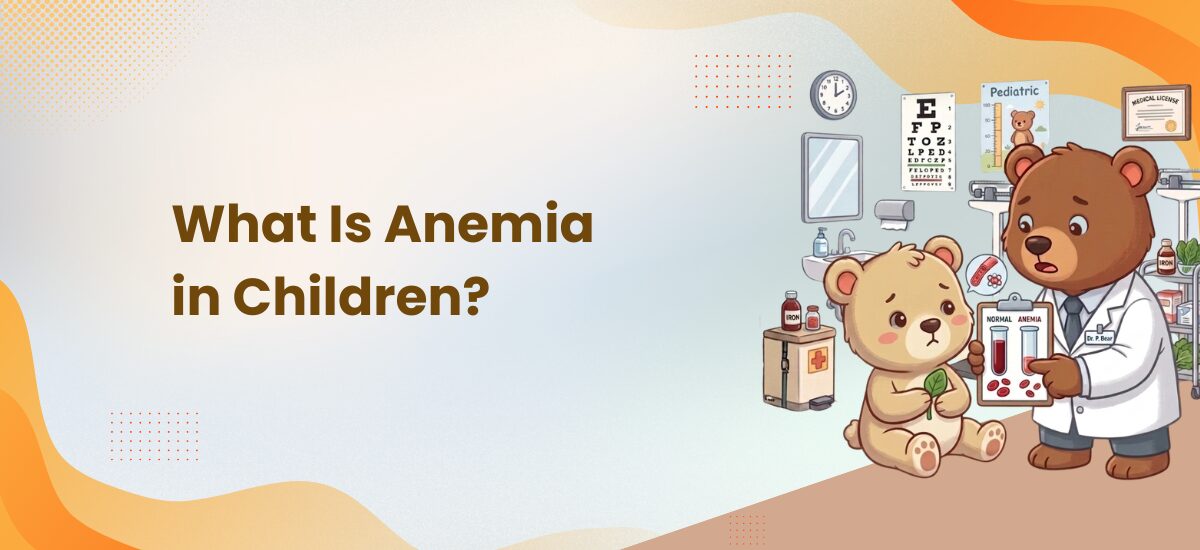
The blood isn’t carrying enough oxygen. Either the hemoglobin has dropped or the red cell count has, and in children this is one of the more common blood problems doctors see. In India, most cases trace back to diet. Iron deficiency alone accounts for over half. The remaining cases involve chronic illness, inherited disorders, infections, or bone marrow trouble. Sparsh Children’s Hospital’s pediatric hematology and oncology team handles all of it, from a simple iron top up to hemoglobin disorders needing years of follow up.
According to doctors at Sparsh Children’s Hospital, “Parents blame fatigue and pale skin on a growth spurt or a fussy appetite. Nobody thinks anemia until the blood test comes back low, and by then it’s been low for a while.”
What Are the Signs of Anemia in Children?
None of this shows up overnight, and by the time it does, most parents have already explained it away.
- Pale skin isn’t the real tell. Check the inside of the lower eyelid, the nail beds, the gums. Skin tone can be misleading. Mucous membranes rarely are.
- Tired without a reason. A child who was running around fine last month now gets winded after one flight of stairs. Less oxygen reaching muscle means less stamina.
- Heart working harder than it should. Low hemoglobin makes the heart beat faster to compensate. Some children say it feels like it’s racing.
- Trouble focusing, frequent headaches. Brain tissue feels an oxygen shortfall early. Mild but persistent headaches and poor concentration in class are common early signs.
A single blood count at Sparsh usually answers type, severity, and cause, and hematology care takes it from there.
What Causes Anemia in Children?
Getting the cause right changes everything about how it’s treated.
- Iron deficiency. The default explanation at nearly any age, from picky eaters to teenage girls losing blood monthly. Usually fixed with diet and supplements within weeks.
- Thalassemia and sickle cell disease. Both inherited, one a production shortfall and the other a structural defect. Screening matters when both parents carry the trait.
- An underlying condition elsewhere in the body. Kidney disease, chronic infection, and inflammatory illness can all quietly suppress red cell production for months.
- Cells breaking down faster than they’re made. G6PD deficiency and spherocytosis destroy red cells faster than the marrow replaces them, and need a proper workup before treatment.
Knowing when tiredness or paleness needs a proper look matters here too, and the blog on when to visit a pediatrician covers exactly that judgment call.
Most anemia in children improves once the underlying cause is known. A blood test is where that begins.
Why Choose Sparsh Children’s Hospital?
Sparsh Children’s Hospital runs a hematology unit built around this exact range of cases: iron deficiency, thalassemia, sickle cell disease, hemolytic conditions, and anemia linked to illness elsewhere in the body. Blood count, smear, and hemoglobin electrophoresis are done in one visit rather than three separate ones.
Children needing long term monitoring, whether that’s regular transfusions, G6PD follow up, or chronic disease anemia, are tracked over time. Hemoglobin trends, growth, organ function, all adjusted as the child grows rather than reviewed only when something goes wrong.
FREQUENTLY ASKED QUESTIONS:
Is anemia in children serious?
It depends on the cause. Iron deficiency clears up well with treatment. Thalassemia and sickle cell disease need specialist care for life. Left unaddressed, any type of anemia slows growth and affects a child’s energy and concentration.
Can a child outgrow anemia?
Nutritional anemia resolves once the deficiency is corrected. Inherited disorders don’t work the same way. They persist and need regular monitoring throughout life. Knowing which type is involved is the first step.
How is anemia diagnosed in children?
A complete blood count comes first, giving hemoglobin level, cell size, and count. A peripheral smear identifies the type. Further tests such as ferritin, B12, folate, or hemoglobin electrophoresis follow depending on those initial results.
What foods help a child with anemia?
Leafy greens, lentils, eggs, meat, and fortified cereal are strong iron sources. Pairing them with vitamin C improves absorption. Excess cow’s milk blocks iron uptake in toddlers. Diet alone rarely covers moderate to severe anemia or inherited disorders.
References:
- National Library of Medicine (NIH). Anemia caused by low iron: children
- National Library of Medicine (NIH). Thalassemia
Disclaimer
This blog is for educational purposes only and does not substitute professional medical advice.