

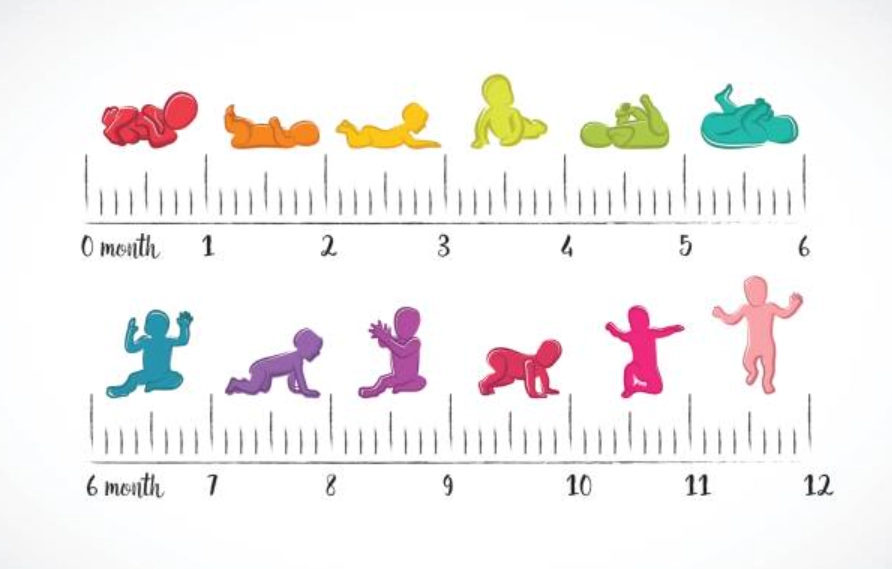
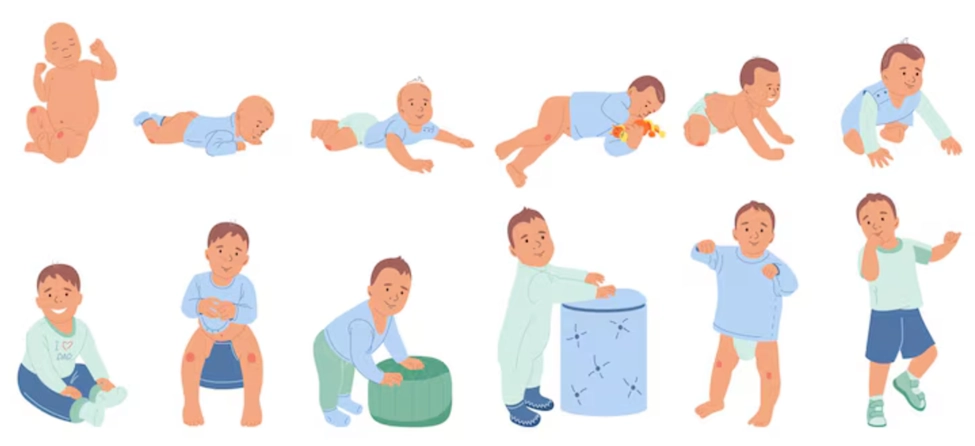
Watching a baby smile for the first time, sit without support, speak a word, or take independent steps can be exciting for every parent. These achievements are known as developmental milestones. They help parents and healthcare professionals understand how a child is progressing physically, socially, emotionally, cognitively, and in communication.
What Are Milestones in Child Development? -Developmental milestones are abilities that most children are expected to acquire within a general age range. They include actions such as making eye contact, responding to sounds, crawling, walking, speaking, following instructions, playing with others, and solving simple problems. However, every child develops at a different pace, so milestones should be viewed as helpful indicators rather than strict deadlines.
Worried about your child’s growth, speech, movement, or behaviour? Book a developmental consultation with a pediatrician at Sparsh Children’s Hospital.
What Are the Main Areas of Child Development?
Child development is generally observed across four connected areas:

1. Movement and Physical Development
Physical development is kind of a blend of gross motor skills and fine motor skills. With gross motor skills, it is mostly the bigger kinds of motions, like sitting, standing, walking, running and even jumping. For fine motor skills it tends to be the more controlled actions, such as grasping toys, holding a spoon, turning pages, drawing and buttoning clothes.
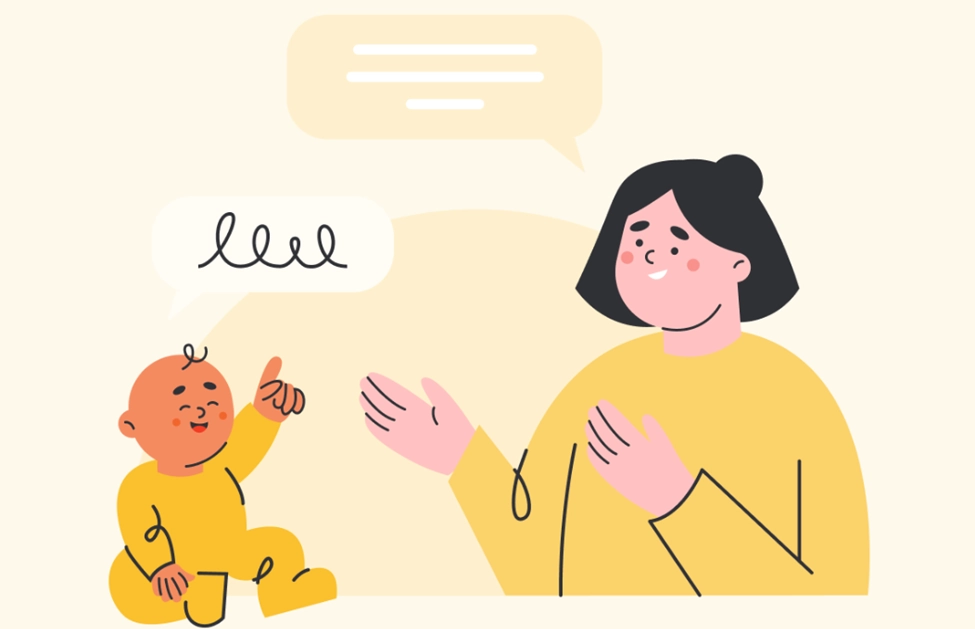
2. Language and Communication
Communication milestones include responding to voices, making sounds, saying words, forming sentences, understanding instructions, and expressing needs. Communication also includes gestures, facial expressions, pointing, and eye contact.

3. Cognitive Development
Cognitive development refers to a child’s ability to think, learn, remember, explore, and solve problems. Recognising familiar people, searching for a hidden toy, matching shapes, counting objects, and understanding cause and effect are examples of cognitive skills.
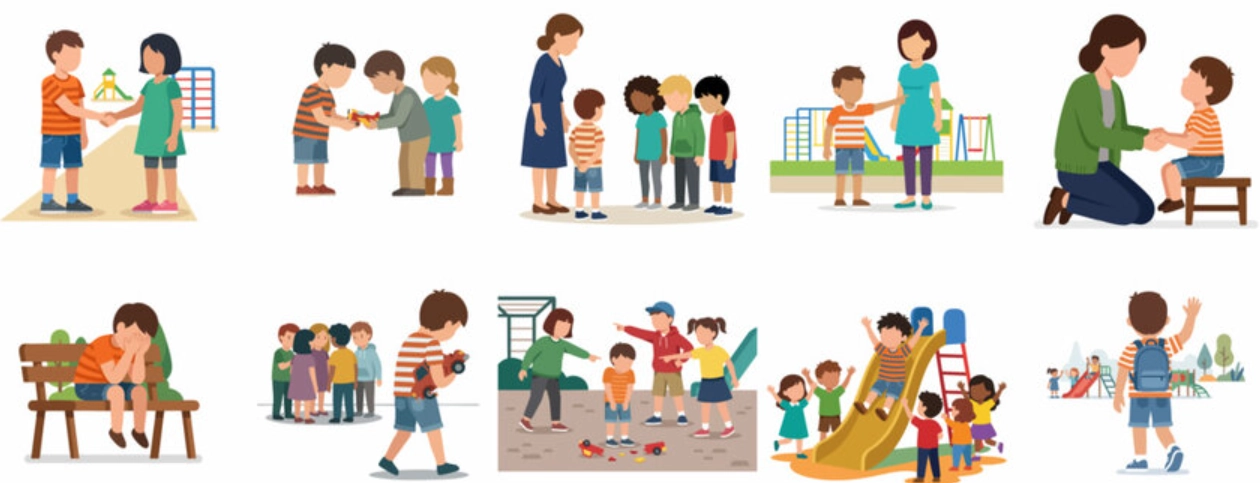
4. Social and Emotional Development
Social and emotional milestones show how children interact with caregivers and other children. Smiling at familiar people, showing affection, copying actions, engaging in pretend play, sharing, and expressing emotions are part of this area.
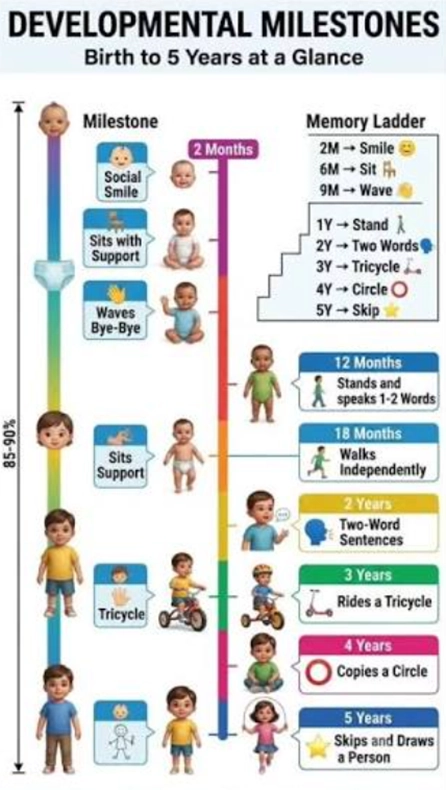
Experiences during early childhood contribute significantly to cognitive, physical, emotional, and social development. Responsive caregiving, adequate nutrition, play, communication, and a safe environment help create a strong foundation for future learning.
Important Developmental Milestones by Age
The following milestones provide a general overview. A pediatrician should evaluate a child individually rather than relying on one skill alone.
Birth to 6 Months
During the first six months, many babies begin to:
- Look at faces and recognise familiar people
- Smile in response to interaction
- React to sounds and voices
- Make cooing or squealing sounds
- Hold their head more steadily
- Reach for and grasp objects
- Roll from the tummy to the back
- Laugh and enjoy looking in a mirror
By six months, many babies take turns making sounds with caregivers and show growing interest in people and objects around them.
6 to 12 Months
During this stage, babies may begin to:
- Sit without continuous support
- Transfer objects from one hand to another
- Respond to their name
- Babble using repeated sounds
- Look for objects that have been hidden
- Crawl or move across the floor
- Pull themselves up to stand
- Wave, clap, or use other gestures
Some babies may begin walking before their first birthday, while others may walk several months later.

1 to 2 Years
Toddlers generally become more active, curious, and independent. They may:
- Walk independently and begin running
- Use a spoon or cup with help
- Point to objects or pictures when named
- Say familiar words and begin combining words
- Follow simple one-step instructions
- Copy household activities
- Show affection toward familiar people
- Play with toys in a purposeful way
2 to 3 Years
Between two and three years, many children begin to:
- Use short phrases and simple sentences
- Name familiar people and objects
- Follow two-step instructions
- Run, kick a ball, and climb stairs
- Turn book pages individually
- Participate in pretend play
- Show interest in playing near or with other children
- Express a wider range of emotions
3 to 5 Years
Preschool-age children often develop greater coordination, communication, and independence. They may:
- Speak in sentences that others can understand
- Tell simple stories
- Ask and answer questions
- Draw basic shapes or people
- Dress with limited assistance
- Hop, jump, catch, or throw a ball
- Play cooperatively with other children
- Understand basic colours, numbers, routines, and rules
Not sure whether your child is meeting age-appropriate milestones? A pediatric assessment can help identify strengths, concerns, and the next steps for support.
How Can Parents Support Healthy Development?
Parents can help development a bit through these small, everyday moments, like don’t just rush through them, but actually talk a little. During feeding, bathing, and playtime, try to chat with your child, even if it feels simple. Read books that fit their age, sing songs, give safe chances for movement, and try to encourage that “why is this happening” kind of curiosity through play.
When a child tries to communicate, responding warmly really matters it helps language grow and also supports emotional development, so you’re kind of feeding both at once. Limiting passive screen exposure and encouraging active play can also create more opportunities for learning and interaction.
Regular pediatric visits are important even when a child appears healthy. Developmental monitoring involves observing progress over time, while developmental screening uses standardised tools to identify children who may require further assessment. The American Academy of Pediatrics recommends general developmental screening at 9, 18, and 30 months, along with autism-specific screening at 18 and 24 months.
When Should Parents Consult a Pediatrician?
Parents should speak with a pediatrician at Pediatric Hospital in Parel when a child:
- Loses a skill they previously had
- Does not respond consistently to sounds or their name
- Has limited eye contact or social interaction
- Has difficulty sitting, standing, walking, or using both sides of the body
- Is not using gestures, sounds, words, or sentences as expected
- Shows unusual stiffness, weakness, or repetitive movements
- Has feeding, swallowing, hearing, or vision concerns
A missed milestone does not automatically mean that a child has a developmental disorder. Illness, premature birth, hearing difficulties, limited opportunities for interaction, and several other factors can affect development. However, concerns should not be ignored. Early assessment can help children receive appropriate medical care, therapy, or developmental support when needed.
If you have noticed a developmental delay or loss of skills, consult the pediatric team at Sparsh Children’s Hospital for timely assessment and guidance.
Frequently Asked Questions
Developmental milestones are physical, communication, thinking, social, and emotional skills that most children acquire within a general age range. Examples include smiling, sitting, walking, speaking, playing, and following instructions.
No. Children develop at different rates, and small variations are common. Doctors consider the child’s overall development, medical history, environment, and progress across multiple areas.
Growth refers to measurable physical changes such as height, weight, and head circumference. Development refers to the gradual acquisition of movement, language, learning, behavioural, and social skills.
Premature babies may reach certain milestones according to their corrected age, which is calculated from the expected due date. A pediatrician can guide parents on how long corrected age should be considered.
Discuss the concern with a pediatrician instead of waiting for the child to catch up without assessment. The doctor may recommend developmental screening, hearing or vision testing, specialist evaluation, or supportive therapy.