

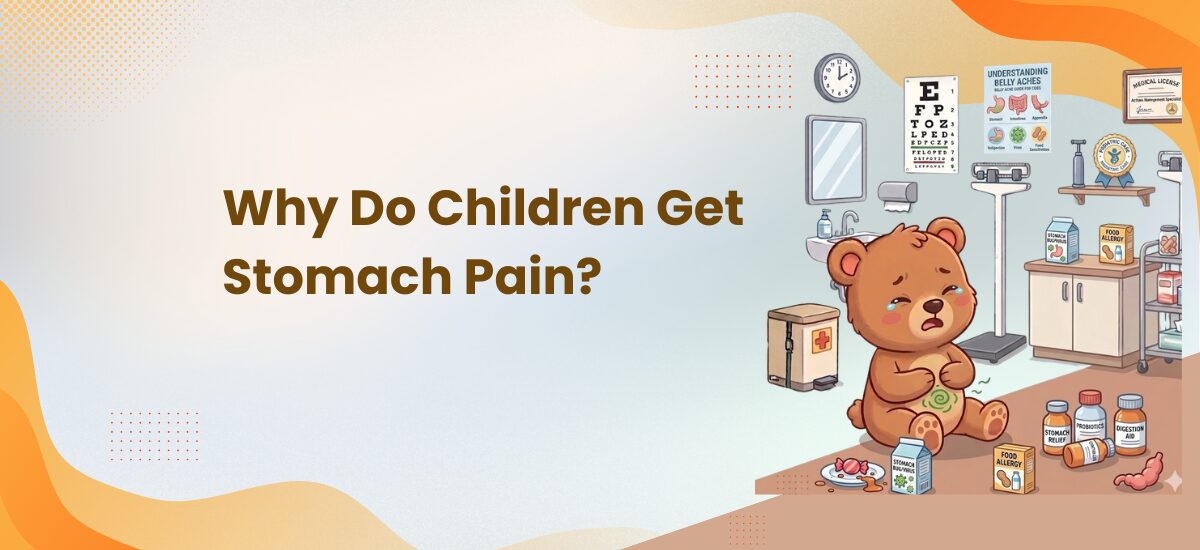
Children frequently get stomach pain because their digestive and nervous systems are still developing, making them sensitive to physical and emotional changes alike. Most cases are harmless and resolve on their own. Some don’t. Causes range from simple gas and constipation to appendicitis and surgical emergencies, and the challenge for parents is knowing which category they’re dealing with at 11pm when the child won’t stop crying. Sparsh Children’s Hospital manages the full range of pediatric abdominal conditions through its gastroenterology and surgical units.
According to Sparsh Children’s Hospital, “Stomach pain in children is one of the most common presenting complaints we see. The location, pattern, and what else is happening alongside it tells us far more than the pain itself.”
What Causes Stomach Pain in Children Most Often?
Most stomach pain in children has a straightforward cause. The ones that don’t tend to follow patterns that are worth knowing.
- Gas and constipation: Bloating, cramping that comes and goes, pain that eases after passing stool or gas. Most frequent cause across all age groups. Diet, dehydration, not enough fibre. Uncomfortable. Rarely dangerous.
- Gastroenteritis: Viral gut infections. Cramping, vomiting, diarrhoea, peaks in 24 to 48 hours. Pain is diffuse moves around, doesn’t settle. The infection isn’t the risk. Dehydration in a young child who can’t keep fluids down is.
- Food intolerance: Lactose intolerance and gluten sensitivity show up as recurring abdominal pain after specific foods. Parents call it a sensitive stomach for months. The connection between diet and symptoms gets made formally much later than it should.
- UTI without urinary symptoms: Younger children with UTIs often show only abdominal pain, fever, and irritability. No burning. No frequency they can describe. UTIs in children get missed regularly because the urinary symptoms parents expect aren’t there.
- Appendicitis: Pain starts near the navel. Moves to the lower right within hours. Worsens with movement. Fever, vomiting, no appetite. A child who flinches when the lower right abdomen is pressed, or won’t straighten up, needs same-day assessment. Not tomorrow.
Recurring stomach pain lasting more than two weeks without a clear cause needs a pediatric gastroenterology review at Sparsh not another course of antacids.
When Does a Child’s Stomach Pain Need Immediate Attention?
Pattern and location matter more than intensity. A child screaming in pain from gas will settle. A child with appendicitis may seem calm between episodes and still need surgery within hours.
- Pain that stops moving: Diffuse cramping that shifts around is usually functional. Pain that fixes in one spot lower right especially and stays there is a different problem. Same-day assessment, not observation.
- Green or bile-coloured vomit: One or two rounds of vomiting alongside stomach pain is expected in gastroenteritis. Vomit that’s green or bile-coloured is not. That’s obstruction territory. Emergency.
- Abdomen that won’t be touched: A soft abdomen a child lets you press on is reassuring. Rigid, visibly distended, or a child who pulls away the moment you get close that’s peritoneal irritation. Go immediately.
- High fever with no diarrhoea: Gastroenteritis produces both. High fever and abdominal pain without loose stools points elsewhere appendicitis, kidney infection, something that needs investigation not watchful waiting.
The blog on when should parents visit a pediatrician covers what needs same-day attention versus what can wait.
Why Choose Sparsh Children’s Hospital?
Sparsh Children’s Hospital covers pediatric abdominal conditions across gastroenterology and surgery functional disorders, infections, and emergencies including appendicitis, bowel obstruction, and hernia repair. When a presentation crosses from medical to surgical, the child doesn’t get transferred. Surgical assessment happens in the same building, same day.
Chronic and recurring abdominal pain gets a structured diagnostic approach at Sparsh. History, dietary review, targeted investigation. Not empirical treatment that pushes a real diagnosis back by weeks.
Disclaimer
This blog is general information about stomach pain in children. Not medical advice. If your child has severe, localised, or worsening abdominal pain don’t wait for a scheduled appointment. Go to emergency or call the clinic directly.
FREQUENTLY ASKED QUESTIONS
What is the most common cause of stomach pain in children?
Gas, constipation, and viral gastroenteritis. Most settle within 24 to 48 hours without medical intervention.
How do I know if my child’s stomach pain is serious?
Pain fixed in one spot, rigid abdomen, high fever without diarrhoea, green vomit, or a child who won’t straighten up. Any of these on the same day.
Can stress cause stomach pain in children?
Yes. Functional abdominal pain from anxiety is real, not imagined, and common in school-age children. Physical causes need to be ruled out before attributing it to stress.
At what age is appendicitis most common in children?
Most common between 10 and 19 years. Harder to diagnose under 5 symptoms are less typical and perforation rates are higher because diagnosis comes later.