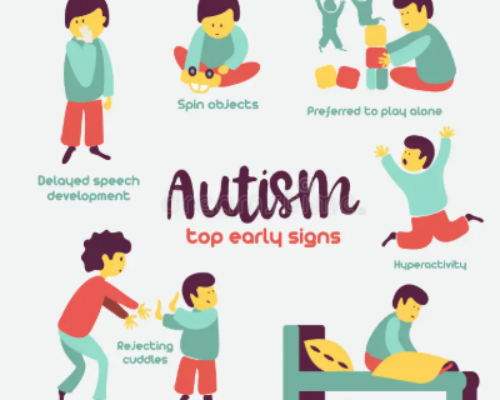
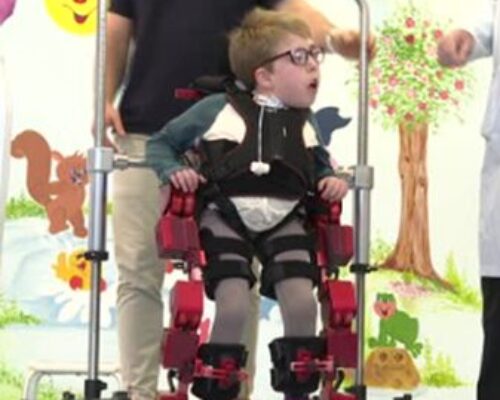
Children who have neurological conditions experience disruptions in their brain development as well as their ability to move and behave and their overall physical development. Pediatric Neurology in Parel provides diagnostic services and treatment methods for all types of brain and spine and nerve and muscle disorders which affect infants and children and adolescent patients. The search for paediatric neurology near me in Parel requires you to determine which medical services handle special needs because they provide critical treatment to achieve successful results.
Sparsh Children’s Hospital in Parel provides specialized pediatric medical services to treat children who experience seizures and developmental delays and neuromuscular disorders. The hospital uses its modern diagnostic equipment and pediatric intensive care facilities to provide doctors with accurate diagnosis tools which enable them to develop personalized treatment plans for every child.
Pediatric neurology is a medical specialty that deals with disorders affecting the nervous system in children. The human body functions through three main components which include the brain and spinal cord and nerves that govern body functions and physical movement and learning and behavioral activities.
The development of neurological disorders in children happens because they have genetic predispositions and their bodies experience infections and they encounter difficulties during birth and their development progresses. Pediatric neurologists operate through child-specific diagnostic systems which enable them to develop Medical Treatments for these disorders.

Pediatric neurologists treat a wide range of neurological disorders that may affect children at different stages of development.
Common conditions include:
Early identification and treatment play a crucial role in improving a child’s quality of life.
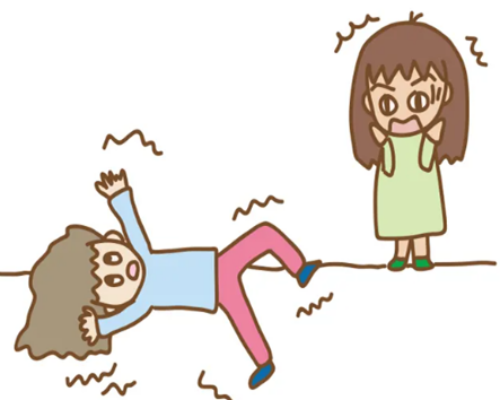
Seizures are one of the most common neurological conditions in children. They may occur due to abnormal electrical activity in the brain.
Symptoms of seizures may include:
Sudden jerking movements
Loss of consciousness
Confusion after episodes
Staring spells
Uncontrolled body movements
Pediatric neurologists help manage seizures through medications, lifestyle guidance, and long-term monitoring to reduce frequency and severity.
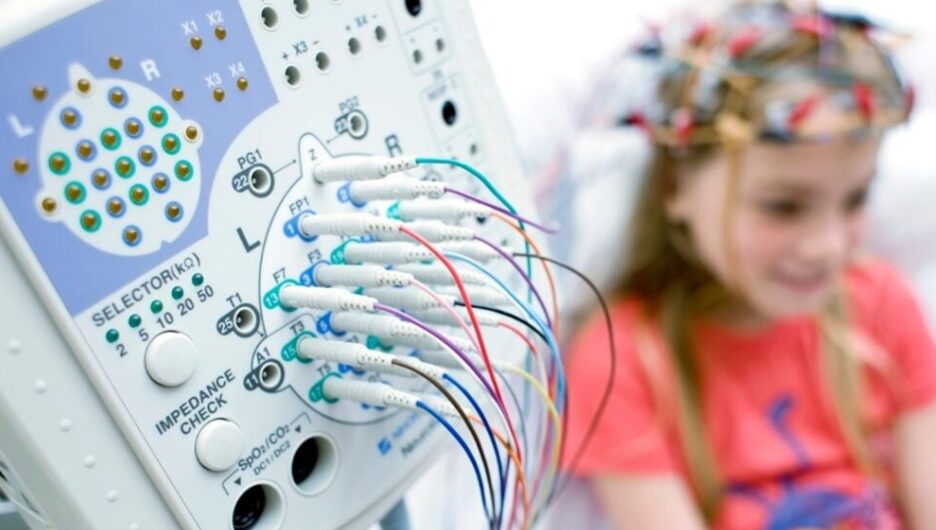
Neurological examination
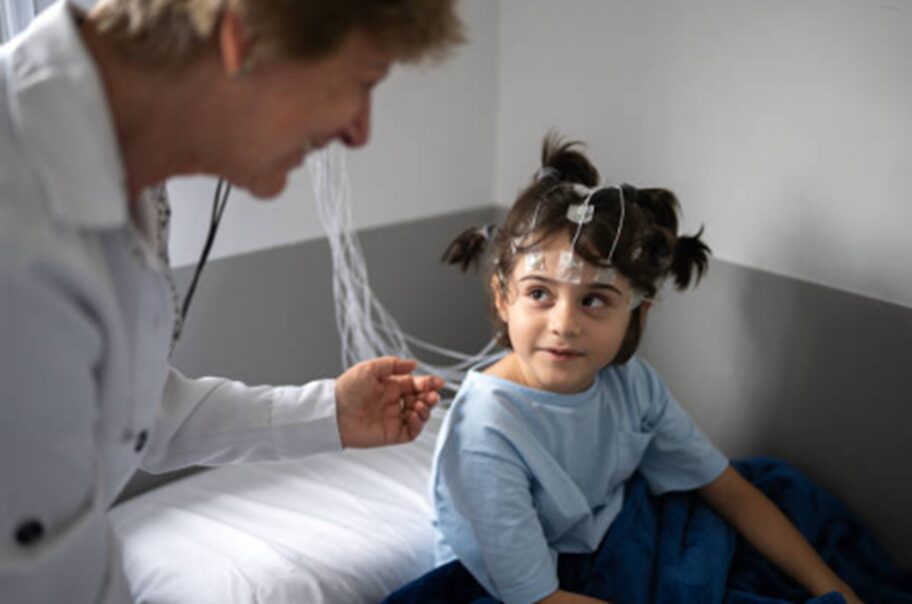
EEG (Electroencephalogram)
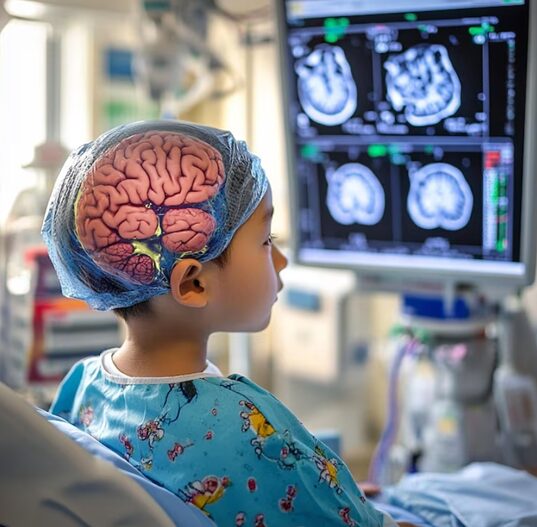
MRI or CT scan of the brain
Developmental assessments
Blood and genetic tests
These tests help create a personalized treatment plan for each child.
Medications for seizures and neurological conditions
Behavioral and developmental therapies
Physiotherapy and rehabilitation
Nutritional and lifestyle guidance
Long-term monitoring and follow-up
Early and consistent treatment can significantly improve a child’s development and quality of life.

Sparsh Children’s Hospital in Parel offers comprehensive pediatric neurological care with a focus on early diagnosis and personalized treatment. The hospital is equipped with advanced diagnostic services, pediatric ICU support, and experienced specialists to manage complex neurological conditions.
Key facilities include:
Pediatric Intensive Care Unit (PICU)
Neonatal Intensive Care Unit (NICU)
Advanced neuro-diagnostic services
Pediatric specialty consultations
24/7 emergency care
The hospital ensures a child-friendly environment and compassionate care to support both children and parents throughout the treatment journey.
Sparsh Children’s Hospital in Parel offers comprehensive pediatric neurological care with a focus on early diagnosis and personalized treatment. The hospital is equipped with advanced diagnostic services, pediatric ICU support, and experienced specialists to manage complex neurological conditions.
Key facilities include:
The hospital ensures a child-friendly environment and compassionate care to support both children and parents throughout the treatment journey.
Neurological conditions can impact a child’s growth, learning, and daily activities. Early diagnosis and intervention help prevent complications and improve long-term outcomes.
Benefits of early care include:
Better developmental progress
Improved cognitive and motor skills
Reduced severity of symptoms
Enhanced quality of
life
Seeking timely care from a pediatric neurologist ensures that children receive the support they need for healthy development.


WhatsApp us